
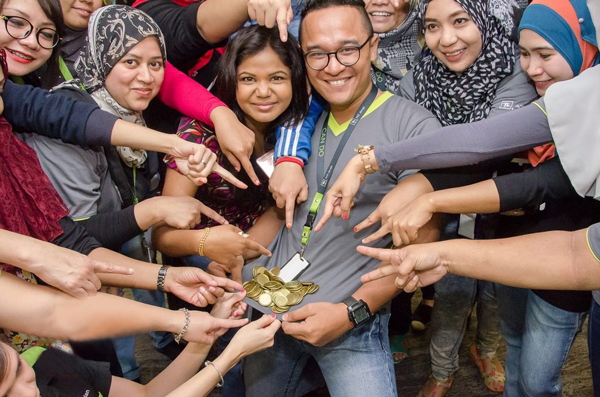
Have you ever worked in a team where everything just clicked? Ideas flowed, decisions were made quickly, and everyone seemed motivated. Now compare that to a team where meetings drag on, people keep quiet, and nothing gets done. The difference between these two situations often comes down to one thing: group dynamics.
What Exactly Is Group Dynamics?
Group dynamics is simply how people in a team interact with each other. It’s about the relationships, communication, and behaviours that shape how the group works. When the dynamics are good, the team feels united. People trust each other, share ideas openly, and work towards common goals. This leads to better results and a happier workplace.
But when group dynamics are poor, even the smartest team can fail. Imagine this: you gather the brightest minds in your company to solve a big problem. You expect quick solutions because these are your top talents. Instead, the team gets stuck. People hesitate to speak up, discussions go in circles, and frustration builds. That’s what happens when group dynamics are weak.
Why Should We Care About Group Dynamics in Singapore?
Singapore is a fast-moving, competitive business hub. Companies here need teams that can innovate and deliver results quickly. Good group dynamics make this possible. In fact, research shows that teams with positive dynamics are almost 50% more creative than those with poor dynamics. Creativity is key in industries like tech, finance, and even government projects.
When a team works well together:
- Members trust each other and feel safe to share ideas.
- Decisions are made faster because everyone contributes.
- Conflicts are handled constructively, not ignored.
- Productivity and morale improve, reducing stress and burnout.
In short, strong group dynamics create a workplace where people feel engaged and motivated. And in Singapore, where many companies operate under tight deadlines, this can make all the difference.
What Causes Poor Group Dynamics?
Before we talk about fixing the problem, let’s look at what can go wrong. Here are some common issues:
1. Overly Critical Team Members
When someone keeps shooting down ideas, others stop speaking up. This kills creativity and makes meetings stressful.
2. Silent Participants
Some people rarely contribute and just agree with whatever others say. This might seem harmless, but it means the team is missing out on valuable input.
3. Unhelpful or Distracting Comments
Jokes or off-topic remarks during serious discussions can derail the conversation. While humour is good in moderation, too much of it reduces focus.
4. Dominating Personalities
When one person takes over the discussion and ignores others, it creates imbalance. The team becomes less inclusive, and good ideas may be lost.
All these behaviours lead to poor group dynamics, which affect morale, engagement, and ultimately, the success of projects.
How Can Singapore Companies Improve Group Dynamics?
Building strong group dynamics doesn’t happen by chance, it takes effort. Managers and leaders play a big role in creating an environment where teamwork thrives. Here are some practical tips:
1. Encourage Open Communication
Singapore workplaces often value hierarchy and respect for authority. While this is important, it can make employees hesitant to speak up. Leaders should create a safe space where everyone feels comfortable sharing ideas without fear of criticism.
2. Promote Inclusivity
Singapore is multicultural, with teams made up of people from different backgrounds. Encourage inclusivity by making sure everyone has a voice in discussions. This not only improves group dynamics but also brings fresh perspectives.
3. Use Team-Building Activities
Team-building is not just about having fun, it’s a powerful way to strengthen relationships and trust. When colleagues know each other better, they work together more effectively. Let’s look at some activities that work well in Singapore workplaces.
Team-Building Exercises That Actually Work
A. Games for Connecting
These activities help team members learn more about each other, making it easier to build rapport.
Example:
Each person writes an interesting fact about themselves on a piece of paper and puts it in a bowl. Others take turns picking a paper and guessing who the fact belongs to. This simple game breaks the ice and encourages conversation.
B. Work Together Challenges
Activities that require teamwork help build trust and improve communication.
Example:
Give the team materials like newspapers and tape, and ask them to build a chair or bridge that can hold one person for 60 seconds. This exercise encourages problem-solving, collaboration, and creativity.
C. Leadership Training
Leadership development is crucial for managers in Singapore. Training programmes that focus on communication, empathy, and decision-making can improve group dynamics across the organisation. When leaders model positive behaviour, teams follow.
Practical Tips for Singapore Workplaces
- Keep activities culturally sensitive – Singapore is diverse, so choose games and exercises that respect different backgrounds.
- Balance fun and purpose – Team-building should be enjoyable but also linked to work goals.
- Make it regular – One-off activities are helpful, but regular engagement keeps dynamics strong.
- Measure progress – Use feedback surveys to see if team-building efforts are improving morale and collaboration.
The Bottom Line
Group dynamics are the invisible force that determines whether a team succeeds or struggles. In Singapore’s competitive business landscape, companies cannot afford to ignore this. By fostering trust, encouraging communication, and investing in team-building, organisations can create high-performing teams that drive innovation and growth.
So, the next time you notice your team struggling, don’t just look at individual performance, look at the dynamics. A small change in how people interact can make a big difference in results.